Secure Your Loan Application: Verify Safety Before You Apply
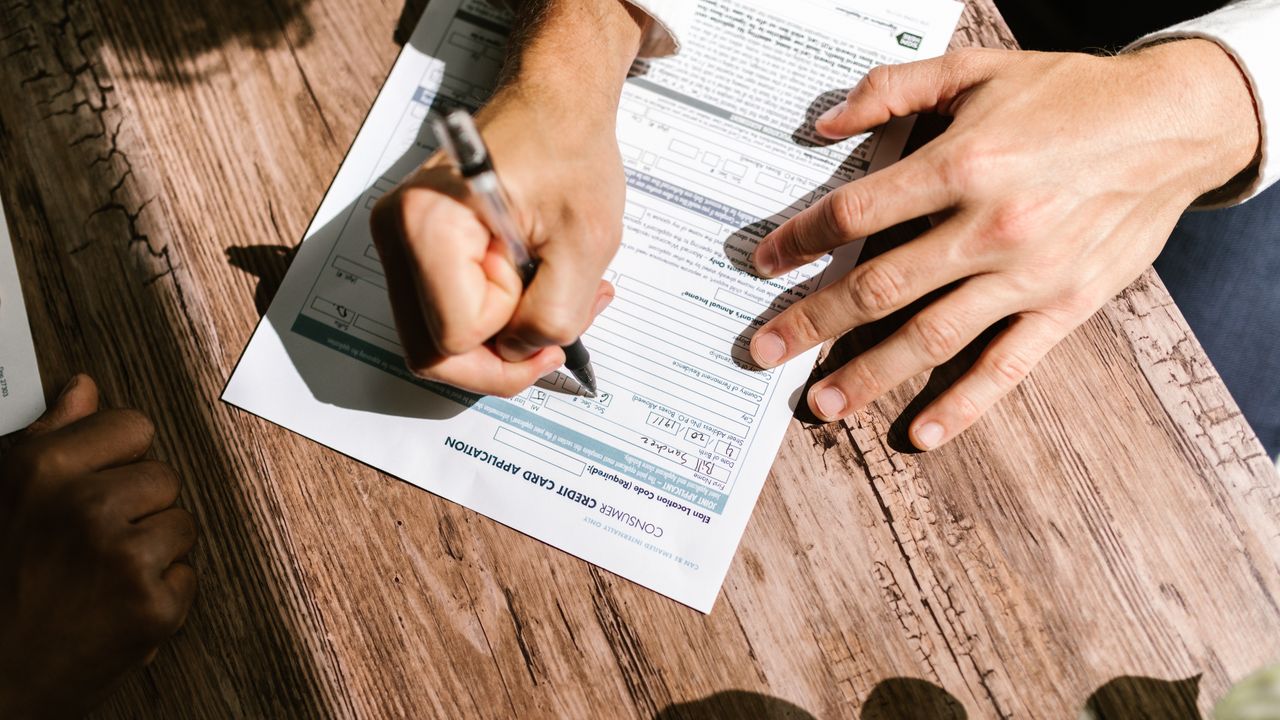
Secure loan applications demand careful attention before you share your Social Security number, income details or bank account information.
Flexible Repayment Solutions
Match your loan payments to your actual cash flow and income schedule.
*You will stay on the same website.
Many borrowers rush through the application process without confirming that the lender is legitimate and the website protects sensitive data.
Taking a few minutes upfront to verify the application page can prevent identity theft, unauthorized credit inquiries and financial fraud.
Recognizing a Trustworthy Loan Application Page
A legitimate personal loan application page displays clear security indicators and transparent lender information. The website should use HTTPS encryption, visible in the address bar as a padlock icon, showing that data transmission between your browser and the lender’s server is protected.
This encryption makes it significantly harder for hackers to intercept your financial information during the application process.

Payment Flexibility Guide
Customize Your Loan Terms
Match repayment dates to your payday and income patterns effortlessly.
*You will stay on the same site.
Trusted lenders prominently display their physical address, phone number and customer service options on their website.
If a lender hides contact information or only offers an email address with delayed responses, proceed with caution. Legitimate firms welcome direct communication and stand behind their services.
Verify lender licensing by checking your state’s financial regulatory body. Many states maintain databases of licensed money lenders, consumer finance companies and loan brokers.
A licensed lender indicates compliance with state lending laws and consumer protection requirements.
Unlicensed operators often charge illegal interest rates and use aggressive collection tactics.

Flexible Loan Terms
How Flexible Payment Options Work for Personal Loans
Discover how flexible payment personal loans let you customize repayment schedules to match your income and budget. Compare loan amounts, terms, and payoff strategies today.
*You will stay on the same site.
Understanding the Loan Application Verification Process
Before you apply, understand what information the lender will request and why. A standard personal loan application requires your Social Security number for a credit check, proof of income such as recent pay stubs or tax returns, employment verification through your employer, and identification such as a driver’s license or passport.
The lender uses these items to verify your identity and assess your ability to repay.
Check eligibility requirements listed on the application page. Most lenders specify a minimum credit score, usually 640 or higher, a minimum monthly income threshold, and maximum debt-to-income ratio.
If the page does not clearly state these criteria, contact the lender before applying.
Vague eligibility standards suggest the lender may not follow consistent underwriting practices.
The page should explain whether the lender uses a soft or hard inquiry to check your credit. A soft inquiry does not affect your credit score and typically occurs during pre-qualification.
A hard inquiry appears on your credit report and may lower your score slightly, but lenders only perform a hard inquiry when you formally submit your application.
Legitimate lenders distinguish between these inquiry types and explain when each occurs.
Identifying Red Flags on Loan Application Sites
Certain warning signs indicate that a loan application page may not be trustworthy. Avoid any site that guarantees instant approval, guaranteed funding or claims you cannot be denied.
Responsible lenders always state that approval depends on verification of your income, credit history and employment. No lender can guarantee funding without reviewing your financial information.
Avoid applications that request wire transfers, gift cards or prepayment before funds are released.
Legitimate lenders never charge upfront fees before delivering approved funds.
Prepayment requests are hallmarks of advance-fee fraud, where scammers collect money and disappear without providing a loan.
Be cautious of pages with excessive spelling and grammar errors, unprofessional design, or stolen images from other websites. Established lenders invest in professional web design and content.
Poor presentation often signals a fraudulent or minimally regulated operation.
Additionally, if the page uses aggressive pop-ups, intrusive ads or pressure tactics urging you to apply immediately, question the lender’s legitimacy.
Legitimate lenders do not purchase personal information from data brokers or contact you unsolicited via text message or email offering instant loans.
If you receive an unexpected message with a link to apply, verify the sender directly by calling the lender’s official phone number from their website, never the number provided in the message.
Protecting Your Personal Information During Application
Once you confirm the application page is legitimate, take additional steps to safeguard your data. Never apply on public WiFi networks, as hackers can intercept unencrypted communications.
Use a secure home internet connection or a mobile phone network when entering sensitive information.
Use a strong password if the lender requires you to create an online account. Combine uppercase and lowercase letters, numbers and special characters in a unique password that you do not use for other accounts.
A strong password prevents unauthorized access to your application and account details.
Read the lender’s privacy policy before submitting your application. The policy should explicitly state that the company will not sell, rent or share your personal information with third parties unless required by law or you provide consent.
If the privacy policy is vague or the lender reserves the right to share your data widely, consider applying with a different lender.
Monitor your credit report and bank account activity for several months after applying. If the lender performs hard inquiries without your authorization or you notice unexpected accounts or fraudulent charges, dispute them immediately with the credit bureaus and your bank.
Equifax, Experian and TransUnion each allow free credit report disputes through their official websites.
Verifying Lender Reputation and Customer Reviews
Research the lender’s reputation through independent sources before applying. The Consumer Financial Protection Bureau (CFPB) maintains a public database of consumer complaints against lenders and financial companies.
If a lender has numerous unresolved complaints about unauthorized charges, misrepresentation or data security breaches, avoid them.
Review customer feedback on trusted third-party websites such as Better Business Bureau (BBB), Trustpilot or Google Reviews. Look for patterns in complaints rather than isolated negative reviews.
A handful of complaints is normal for any large company, but widespread reports of application problems, funding delays or poor customer service indicate systemic issues.
Be skeptical of reviews that appear too polished or identical in tone. Fraudulent lenders sometimes post fake positive reviews to build credibility.
Real customer reviews typically include specific details about their experience, mention both strengths and weaknesses, and vary in writing style.
Contact the lender’s customer service with questions about their application process and security measures. Legitimate companies respond promptly and clearly to inquiries.
If representatives are evasive, cannot explain their security practices or pressure you to apply immediately, that is a warning sign.
Understanding Loan Terms Before Submitting Your Application
The application page should disclose key loan terms including the annual percentage rate (APR), origination fees, monthly payment amount and loan term in years or months.
If this information is not clearly stated before you apply, the lender may be hiding unfavorable terms. Request a Loan Estimate document that breaks down all costs and terms in a standardized format.
Calculate your monthly payment using the stated APR, loan amount and term to verify the lender’s figures.
If monthly payment amounts seem inconsistent with the loan size and interest rate, ask the lender to explain the discrepancy.
Transparent lenders readily provide this calculation and welcome borrower questions.
Understand what happens if you miss a payment or pay off the loan early. Some lenders charge prepayment penalties if you pay the loan in full before the term ends.
Others may increase your interest rate after a missed payment or report you to credit bureaus after 30 days of nonpayment. The application page or loan agreement should detail these consequences clearly.
Ask whether the lender works with direct deposit for funding. Most reliable lenders deposit approved loan funds directly into your bank account within one to two business days after approval and final verification.
If the lender requires you to visit a physical location, write a check or use a third-party payment method, verify that this practice is standard for their business model and not a sign of fraud.
Moving Forward Safely with Your Application
After verifying that the loan application page is secure and the lender is legitimate, prepare your required documents before starting the application.
Gather your Social Security number, recent pay stubs, tax returns if self-employed, bank statements, proof of residence such as a utility bill, and a valid government-issued ID.
Having these items ready speeds up the application and reduces errors that could delay approval.
Complete your application accurately and review every field before submitting. Typos in your name, address or income can trigger verification delays or application denial.
Double-check that you enter your correct Social Security number, as errors may result in pulls on the wrong credit profile.
Submit your application during business hours so that if questions arise, the lender can contact you promptly.
Have your phone available and check your email regularly for updates from the lender. Legitimate lenders communicate application status through email or your online account dashboard.
If approved, depending on the lender and verification requirements, funds may be available in your bank account within one to two business days.
Do not wire money or prepay fees if the lender contacts you asking for payment before funding. Legitimate lenders never request payment before releasing loan proceeds.